
Single Origin Coffee 101: Why Your Morning Brew Tastes Like Blueberries (and Why That’s Awesome)


Have you ever taken a sip of black coffee and been absolutely certain someone snuck a handful of fresh blueberries into your mug?
If you’re used to the "coffee-flavored coffee" found in most grocery store aisles, this experience: often called a "Blueberry Bomb": can be a bit of a shock to the system. It’s bright, it’s juicy, and it’s completely natural. At small beanz coffee co., one of the most common questions we get is: "Wait, did you add flavoring to this?"
The short answer is: Absolutely not.
The long answer involves a fascinating journey through geography, biology, and chemistry. Today, we’re peeling back the curtain on single origin coffee and explaining how a simple seed can taste like a fruit stand without a single drop of syrup.
What Exactly is Single Origin Coffee?
To understand the blueberry phenomenon, we first have to define what "Single Origin" actually means. While most commercial coffees are "blends": mixtures of beans from multiple countries or regions designed for a consistent, uniform taste: single origin coffee focuses on a specific place.
What it is: Coffee sourced from a single geographic location. This could be a specific country (e.g., Ethiopia), a region (e.g., Sidamo), or even a single farm or "estate."
Who it is for: Drinkers who want to explore the diverse world of coffee, much like wine enthusiasts explore different vineyards. It’s for the curious palate that values traceability and uniqueness.
How to enjoy it: Single origins are best enjoyed black (or with minimal milk) so you can experience the distinct characteristics that make that specific bean special.
By focusing on one location, we allow the "voice" of that land to speak clearly in your cup.
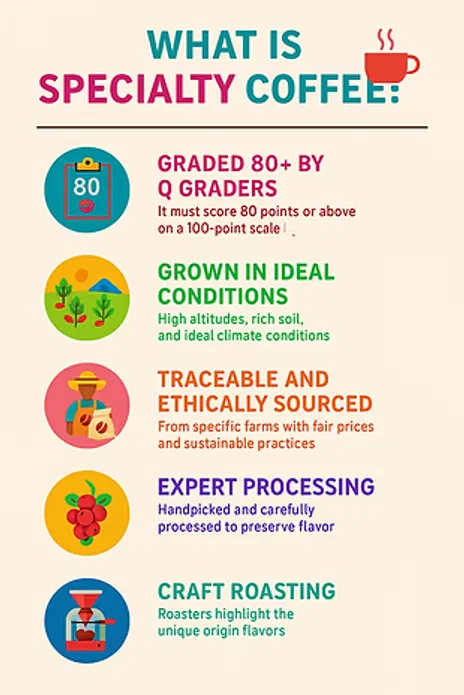
The Science of Terroir: Why Geography Matters
In the specialty coffee world, we use the term terroir (borrowed from the wine industry) to describe how a particular region's environment shapes the flavor of the bean.
Just like a tomato grown in your backyard tastes different than one from a grocery store, coffee beans are products of their environment. Several factors contribute to that elusive blueberry note:
1. Altitude and Soil
High-altitude regions, particularly in East Africa (like Ethiopia or Burundi), have thinner air and cooler temperatures. This slows down the growth of the coffee cherry, allowing more complex sugars and acids to develop within the bean. The volcanic, mineral-rich soil provides the nutrients necessary for these vibrant, "bright" chemical compounds to form.
2. The Varietal
Coffee isn't just "coffee." There are thousands of varieties. In Ethiopia, many coffees are labeled as "Ethiopian Heirloom," which refers to thousands of wild, indigenous varieties that grow only in that region. These specific plants naturally produce higher concentrations of aroma compounds like methyl anthranilate: the same compound found in actual blueberries!
3. The "Natural" Processing Method
This is the "secret sauce" for the blueberry flavor. Most coffee is "washed," meaning the fruit is stripped off immediately. However, many fruity single origins use the Natural Process (or Dry Process).
In this method, the whole coffee cherries are spread out on raised beds to dry in the sun with the fruit still attached to the seed.

As the fruit dries, it begins to ferment slightly. The bean (which is actually a seed) absorbs the sugars and esters from the surrounding mucilage (the sticky fruit layer). This process results in a heavy-bodied, wine-like cup with intense berry and tropical fruit notes.
No, We Didn’t Add Flavoring!
It is a common misconception that "blueberry notes" or "citrus undertones" mean the roaster added oils or syrups. In the world of specialty coffee beans, additives are a big no-no.
When you see "Tasting Notes: Blueberry, Milk Chocolate, Jasmine" on a bag of small beanz coffee co. coffee, those are descriptions of the inherent flavors discovered by a Certified Q Grader (a professional coffee taster) during a process called "cupping."
We use a roasting profile that highlights these natural characteristics through specific Maillard reactions (browning) and development times. We want to showcase what the farmer produced, not cover it up with artificial scents.
Pro Tip: To really taste these notes, try brewing with a pour-over method. The paper filter traps oils and sediment, leaving a clean, transparent cup that lets the fruity acidity shine.

How to Brew for Flavor Clarity
If you’ve picked up a bag of our single origin beans and want to unlock that "blueberry" magic, follow these guidelines:
Use Filtered Water: Coffee is 98-99% water. If your water tastes like chlorine, your coffee will too. Use a simple charcoal filter for best results.
Watch Your Temp: For light and medium roast single origins, aim for a water temperature between 195°F and 205°F. Too cold, and you won’t extract the fruit acids; too hot, and you might introduce unwanted bitterness.
The Golden Ratio: Start with a ratio of 1:16 (1 gram of coffee for every 16 grams of water). This provides a balanced strength that doesn't overwhelm the delicate aromatics.
Grind Fresh: Coffee begins to lose its aromatic compounds within minutes of being ground. To capture those berry scents, grind right before you brew!
Why This Matters to Us
At small beanz coffee co., we believe coffee should be an adventure. By sourcing single origin beans from standout origins, we aren't just selling you a caffeine fix: we're connecting you to a specific hillside in Ethiopia or a small family farm in Burundi.
We focus on small-batch roasting to ensure that every bag you receive is at its peak freshness. When coffee is fresh, those chemical compounds that mimic blueberries, jasmine, and citrus are at their most potent.
Whether you are a seasoned enthusiast or just someone looking for a better morning cup, we invite you to put down the creamer for just one sip and see if you can find the fruit. You might just find your new favorite "berry."

Ready to find your "Blueberry Bomb"?
Check out our latest single origin offerings and start your flavor journey today. If you need help choosing the right bean for your palate, don't hesitate to reach out: we love talking shop!
Brew with confidence,
Bryce Mead Founder, small beanz coffee co.

Comments