
Why is My Coffee Getting More Expensive? (The Coffee C Market Explained)
- small beanz coffee co.

- Jun 9
- 5 min read
Hey there, coffee lovers! 👋
If you’ve been reaching for your favorite bag of beans lately and noticed the price tag looking a little different than it did a year or two ago, you aren't alone. We’ve been getting a lot of questions at the farmers markets and through our online store: "Why is the price of coffee going up?"
It’s a fair question. At small beanz coffee co., we’re all about making specialty coffee approachable and transparent. We believe you should know exactly what goes into your cup: not just the flavor notes, but the story behind the price.
Today, we’re pulling back the curtain on the "Coffee C Market," explaining why global prices have been on a roller coaster, and why we’re sticking to our guns when it comes to quality and ethical sourcing, even when the market gets messy.
What is the Coffee "C" Market?
To understand your morning brew's price, we first have to talk about the Coffee "C" Market.
What it is: Think of the C Market as the global stock exchange for coffee. It’s the benchmark price for "commodity" Arabica coffee, traded on the Intercontinental Exchange (ICE). It sets the baseline price for coffee all over the world, quoted in US cents per pound.
Who it’s for: It’s primarily designed for huge commercial roasters and international traders who buy massive quantities of average-quality coffee.
How it works: Like oil or gold, coffee is treated as a commodity here. The price fluctuates every second based on supply, demand, and investor speculation.
While we don't sell "commodity" coffee, the C Market is the foundation that the entire industry sits on. When the C Market price jumps, it creates a ripple effect that touches everything from the giant tubs of pre-ground coffee at the supermarket to our Nicaragua SHG.
Why are Prices Swinging? (The 2025-2026 Story)
If you think 2026 has been a wild ride, you should have seen 2025. Last year, coffee futures hit historic highs, peaking around $4.40 per pound. While we’ve seen prices "cool off" a bit in early 2026 to around the $2.50–$2.70 range, that’s still significantly higher than the "old normal."
So, what caused this spike? It wasn't just one thing: it was a "perfect storm" of global factors:
1. Weather Woes in Brazil and Vietnam
Brazil is the heavyweight champion of coffee production. When it gets too dry or too cold there, the whole world feels it. In 2025, severe weather severely damaged harvests. When supply drops in the world's biggest coffee-producing nations, the C Market panics, and prices soar.
2. The Logistics Logjam
Shipping coffee isn't as simple as putting it in a box. Disruptions in major shipping routes, like the Red Sea, forced ships to take longer, more expensive detours. Combined with high fuel costs and a shortage of shipping containers, the cost of getting those green beans from a farm in Rwanda to our roastery in Tampa jumped significantly.
3. Tariffs and Regulation
New trade policies and regulations (like the EU's deforestation laws) added layers of compliance and cost. While these are often good for the planet, they require more administrative work and traceability, which adds to the final price of the bean.
The Specialty Difference: Quality vs. Commodity
You might be wondering: "If you're a small-batch roaster, why does a global 'commodity' price affect you?"
It comes down to something called the Differential.
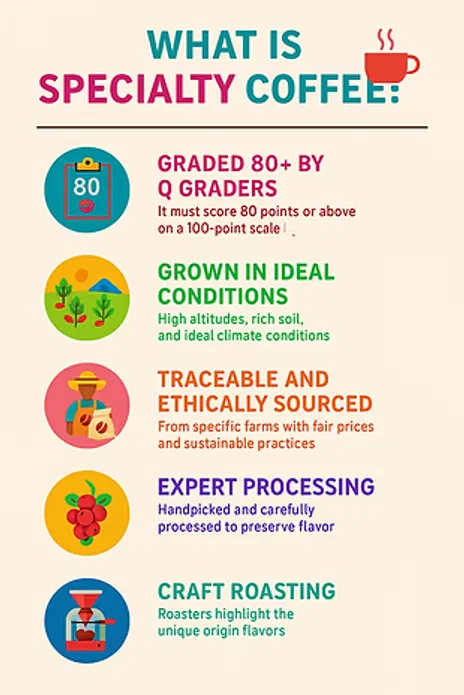
In the specialty world, we don't just pay the C Market price. We pay the C Market price PLUS a premium. This premium (the differential) is paid to farmers for:
Exceptional Quality: Beans that score 80+ on the SCA scale.
Traceability: Knowing where and which farmer/producer grew your coffee.
Ethical Sourcing: Ensuring farmers are paid a living wage, far above the "baseline" commodity price.
When the commodity price (the baseline) goes up, specialty roasters have to raise their offers even higher. If we didn't, farmers would have no incentive to do the extra work required for specialty coffee: they could just sell their beans into the commodity market for a quick profit.
By paying these premiums, we ensure that producers like the ones behind our Colombia Huila Santa Maria can continue to focus on quality without going out of business.

Why We Won't Cut Corners
When prices go up, some roasters might be tempted to switch to lower-grade beans or blend in cheaper "filler" coffee to keep prices low. We won't do that.
At small beanz coffee co., we are SCA Certified (Roastery Diploma, Coffee Trade Diploma, and Licensed Q Grader). That means we have a professional commitment to quality that we simply won't compromise.
Small-Batch Roasting for Freshness
We roast in small batches to ensure that every single bean reaches its full potential. Whether it’s the bright, citrusy notes of a light roast or the heavy-bodied, chocolatey profile of a dark roast, small-batch roasting allows us to control the Maillard reactions and development time with surgical precision
Pro Tips: How to Brew with Confidence (and Save!)
Even with market fluctuations, you can still enjoy incredible coffee without feeling the pinch. Here’s how to make the most of every bean:
Buy Whole Bean: Coffee stays fresh much longer in whole bean form. Grind only what you need right before you brew to preserve those volatile aromatics.
Use a Scale: Stop "eyeballing" your scoops! Using a digital scale ensures you use the exact amount of coffee needed: no more, no less. A standard 1:17 ratio (1 gram of coffee to 17 grams of water) is a great starting point.
Store it Right: Keep your beans in a cool, dark place in an airtight container. Avoid the fridge: it's a moisture trap!
Subscription Savings: Joining our coffee subscription is often the best way to lock in better pricing and ensure you never run out of the good stuff.
Our June Favorites: The Lineup
Ready to taste the difference that quality sourcing makes? Here are a few standouts from our current roast schedule:
The BG Blend: Our signature house blend. It’s balanced, approachable, and designed to be the perfect "everyday" cup. Think chocolate brownie, berry, pomegranate, and citrus.
Rwanda Cyesha: A classic origin known for its clean, bright acidity and honey-like sweetness. Perfect for those who love a crisp morning cup.
The Journey Continues
At the end of the day, coffee is more than just a commodity: it’s a connection. It connects us to the farmers in the regions of Nicaragua and to you, our community here in Tampa Bay.
The C Market might go up and down, but our mission remains the same: to deliver flavor-forward, ethically sourced coffee that is accessible to everyone. We’re not here for the "coffee snobs"; we’re here for the people who appreciate the hard work that goes into every bag.
Ready to explore the world of specialty coffee? Browse our full collection here and find your new favorite origin today.
Make it a Great Day, Happy Brewing! Bryce & the small beanz team ☕✨
Comments