
7 Mistakes You’re Making with Fresh Whole Bean Coffee (and How to Fix Them)

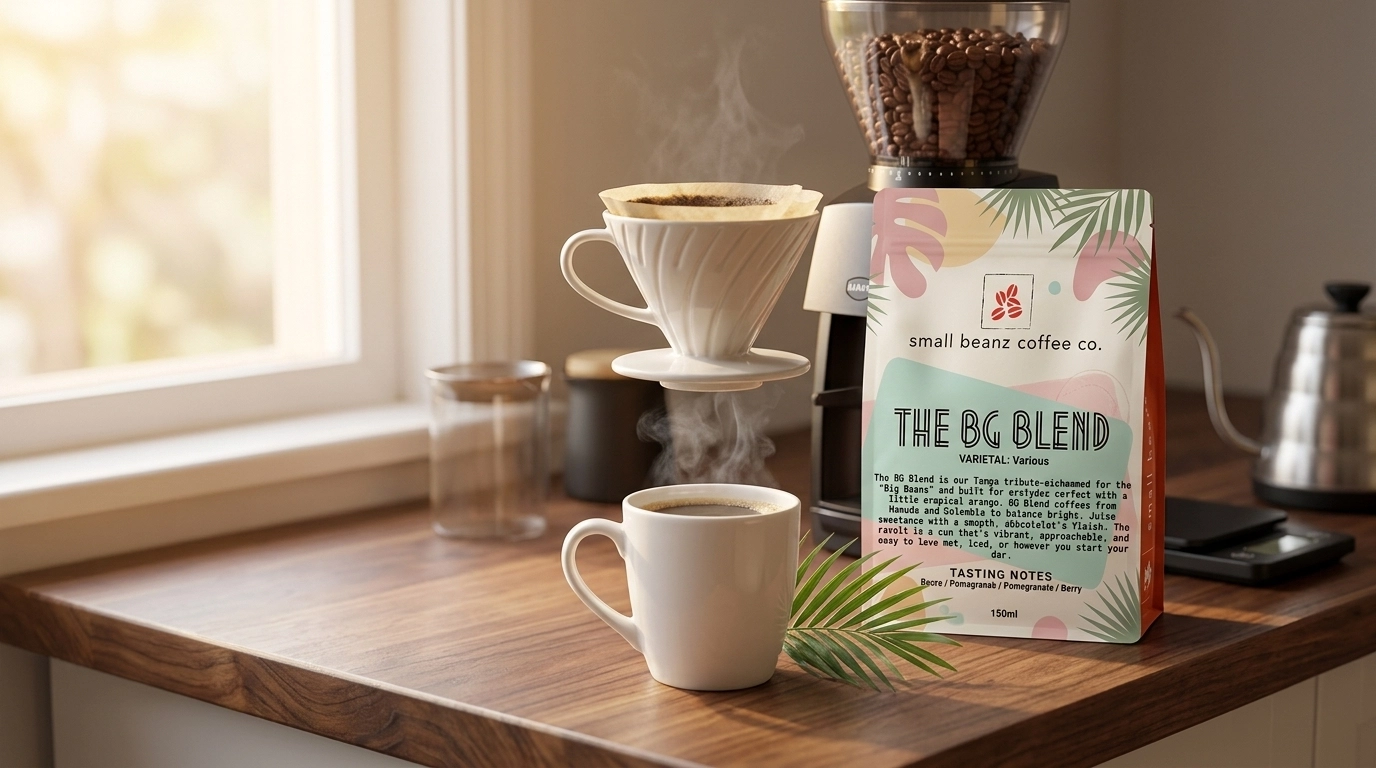
You finally did it. You stepped up your game and bought a bag of specialty coffee beans. Maybe it was our BG Blend or a bright, citrusy single-origin from Burundi. You’re excited for that first sip, but somehow, the coffee tastes... just okay.
If your morning cup feels flat, bitter, or just plain boring, the problem might not be the beans: it might be the process. Specialty coffee is a living product. From the moment those beans leave our small-batch roaster, a chemical countdown begins.
At small beanz coffee co., we’re all about making great coffee approachable. You don’t need a lab coat to brew like a pro, but you do need to avoid these seven common pitfalls. Let’s dive into how you can fix your brew and finally taste the blueberry notes and wine-like acidity you were promised.
1. The Fridge and Freezer Trap
Most people think "cold equals fresh," so they toss their coffee bag right next to the milk or frozen peas. This is a flavor killer.
Coffee beans are porous. They act like little sponges, absorbing moisture and the smells of whatever is around them. Unless you want your morning brew to taste like yesterday’s leftover onions, keep it out of the fridge. Furthermore, taking coffee in and out of the freezer creates condensation, which causes the beans to degrade oh so fast...
The Fix: Airtight and Opaque
What it is: A dedicated coffee canister.
Who it’s for: Anyone who wants their beans to last more than three days.
How to use it: Store your coffee in a cool, dry place (like a pantry) in an airtight, opaque container.
Pro Tip: Look for a container with a one-way valve. This allows the CO2 to escape without letting oxygen in to stale your beans.

2. Grinding Way Too Early
We get it: mornings are hard, and grinding beans takes time. But the moment you grind your coffee, you increase its surface area by thousands of times. This exposes the delicate oils and volatile aromas to oxygen, causing them to dissipate in minutes.
If you’re buying pre-ground coffee or grinding your whole beans the night before, you’re losing about 50-70% of the flavor profile before the water even touches the grounds.
The Fix: Grind on Demand
Invest in a burr grinder. Unlike blade grinders that "smash" beans into uneven chunks, burr grinders produce uniform particles, ensuring an even extraction.
Coarse Grind: Best for French Press (looks like sea salt).
Medium Grind: Best for Drip or Pour-over (looks like table salt).
Fine Grind: Best for Espresso (looks like powdered sugar).
3. Using "Angry" Boiling Water
A common mistake is pouring water onto your coffee the second the kettle whistles. Boiling water (212°F) is often too hot for specialty beans, especially lighter roasts. It can "scorch" the grounds, leading to a harsh, bitter, and ashy taste.
The Fix: The 30-Second Rule
The Specialty Coffee Association (SCA) recommends a brewing temperature between 195°F and 205°F.
For Light Roasts: Stay closer to 205°F to help extract those stubborn fruit acids.
For Dark Roasts: Aim for 195°F to keep the bitterness in check.
Pro Tip: If you don't have a temperature-controlled kettle, just let your boiling water sit for about 30 to 60 seconds after it finishes boiling. This will naturally bring it down into the "Goldilocks zone."
Note: You can adjust the water temperature to taste. We have coffees we enjoy at lower temps or vice versa. Play around and see what tastes good to YOU. That's the important part!**** ****
4. Neglecting Your Water Quality
Coffee is roughly 98% water. If your tap water tastes like chlorine or is "hard" (full of minerals), your coffee will taste like it, too. High mineral content prevents the water from "grabbing" the flavors from the coffee grounds, leaving you with a cup that tastes flat and muddy.
The Fix: Filtered is Best
You don't need fancy bottled water, but even a simple charcoal filter (like a Brita pitcher or filtered water from your refrigerator) makes a world of difference. It removes the impurities that mask the wonderful flavors of specialty coffee.
5. Buying in Bulk (Size Matters)
It’s tempting to buy that 5lb bag to save a few bucks, but coffee is a fresh agricultural product. Most specialty roasts hit their peak flavor between 7 to 21 days after roasting. By the time you get to the bottom of a massive bag, the beans have likely lost their "sparkle."
The Fix: Buy Small, Buy Fresh
At small beanz coffee co., we roast in small batches for a reason. We want you to have the freshest coffee possible. Buy what you can drink in two weeks. It’s better to have a fresh bag delivered frequently than a stale bag sitting in your cupboard.
6. Ignoring the "Roast Date"
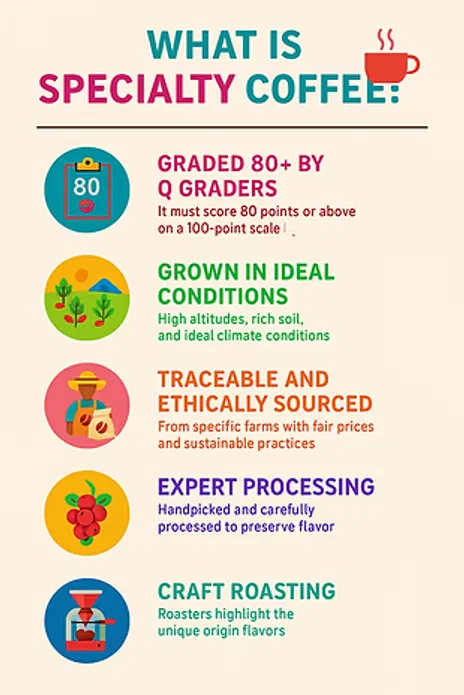
If your coffee bag has a "Best By" date but no "Roast Date," put it back. A "Best By" date is usually a year away and tells you nothing about freshness. You want to see exactly when those beans were in the roaster.
The Fix: Look for the Stamp
When you shop with a small-batch roaster, we pride ourselves on transparency.
The "Who": Look for roasters that aren't afraid to educate
The "How": Check the bottom or back of the bag for a handwritten or stamped date.
The Window: Try to use your beans within 4 weeks of that date for the best experience. Again, this can vary. We have tasted coffees that taste even better at 60-90 days post roast. However, this is the exception and not the norm. G
7. The Dirty Equipment Dilemma
Over time, coffee oils build up inside your grinder, your brewer, and even your favorite mug. These oils eventually turn rancid, adding a funky, sour, or "old" taste to even the freshest fresh whole bean coffee.
The Fix: A Quick Rinse
You don't need a deep clean every day, but a quick rinse with hot water after every use goes a long way.
Once a month: Use a specialized coffee equipment cleaner to desale your machine and break down those stubborn oils. White vinegar is also a great cleaning product that is safe on most surfaces. Do not use citric acid based cleaners on aluminum components.
Grinder: Use grinder cleaning tablets to clear out old dust and oils from the burrs without taking the whole thing apart.
Summary: How to Brew with Confidence
Brewing better coffee isn't about expensive gadgets; it's about respecting the bean. By making these small shifts, you’re not just making a drink: you’re unlocking the hard work of the farmers and roasters who brought that coffee to your kitchen.
Mistake | Easy Fix |
Storage | Use an airtight, opaque container in the pantry. |
Grinding | Grind your beans immediately before brewing. |
Water Temp | Aim for 195°F - 205°F (let the kettle sit for 1 min if you don't have a temp controlled kettle). |
Water Quality | Use filtered water instead of tap. |
Quantity | Buy only what you can drink in 2 weeks. |
Dates | Only buy coffee with a clear "Roast Date." |
Cleanliness | Rinse your gear after every single use. |

Ready to put these tips to the test? Check out our latest freshly roasted selections and see how much of a difference these simple fixes can make.
Make it a great day – Happy brewing!

Comments