
Looking For Ethical Coffee Beans? Here Are 5 Things You Should Know

For most of us, coffee is a morning ritual: a comforting steam rising from a favorite mug that kickstarts the day. But have you ever paused to think about the journey those beans took to get to your kitchen? Behind every bag of specialty coffee is a complex global supply chain involving thousands of hands, from the farmers who tend the trees to the roasters who perfect the profile.
In the world of coffee, the term "ethical coffee beans" gets tossed around a lot. You see labels for Fair Trade, Organic, and Bird-Friendly everywhere. But what does "ethical" actually mean in 2026? At small beanz coffee co., we believe that being ethical isn't just about a sticker on a bag; it’s about deep-rooted relationships and radical transparency.
If you’re looking to stock your pantry with beans that taste good and do good, here are five things you need to know to navigate the world of ethical coffee.
1. Direct Trade is the New Gold Standard
While Fair Trade was a revolutionary starting point for the industry, many specialty roasters are now moving toward Direct Trade models. To understand why, we first have to look at what each one accomplishes.
What is Fair Trade?
Fair Trade was designed to provide a "price floor" or a minimum price for coffee, protecting farmers from the volatile swings of the global commodities market (the "C-Market"). It ensures a baseline of stability.
What is Direct Trade?
Direct Trade goes several steps further. Instead of working through a massive certification body, roasters build direct relationships with individual farmers or cooperatives. This allows for:
Higher Premiums: Roasters often pay 50% to 100% above Fair Trade prices because they are buying based on quality, not just a commodity status.
Feedback Loops: Roasters can talk directly to farmers about crop quality, helping them improve their yield and earn even higher prices next year.
Long-Term Security: These aren't one-off transactions. They are multi-year partnerships that allow farmers to plan for the future.
Who is it for? Direct Trade is for the conscious consumer who wants to know that their money is reaching the person who actually grew the coffee, bypassing unnecessary middlemen.
How to use this info: Look for roasters who can name the farm, the washing station, or the specific producer. If they can tell you the farmer's name, they’re likely engaging in some form of direct or transparent trade.
2. Transparency is More Than Just "Single Origin"
You might see the term "Single Origin" and assume it means ethical. While single-origin coffee is a great step up from generic grocery store blends, it only tells you where the coffee is from, not how it was bought.
The Transparency Hierarchy
Generic Blends: Beans from multiple countries, zero traceability.
Region Specific: Beans from a specific area (e.g., "Huila, Colombia"), but from unknown farms.
Single Origin/Estate: Beans from one specific farm or cooperative.
Transparent Trade: Roasters who publish "Transparency Reports," showing exactly what they paid the farmer compared to the market price.
At small beanz coffee co., we focus on decoding coffee labels so you can understand exactly what you're buying. Ethical coffee beans are traceable. You should be able to find out the altitude the beans were grown at, the processing method used, and even the specific variety of the coffee tree.
3. Why Quality and Ethics are Inseparable
In the specialty coffee world, "ethical" and "delicious" usually go hand-in-hand. This is because of Quality-Driven Premiums.
The SCA Score System
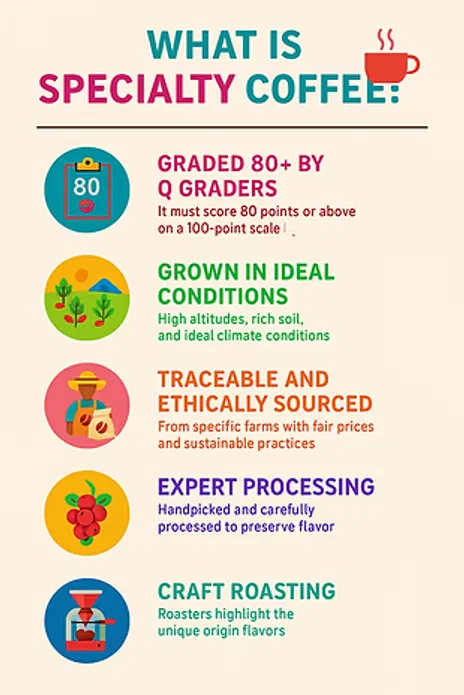
Specialty coffee is graded on a 100-point scale by Certified Q Graders. To be considered "Specialty," coffee must score 80 points or higher.
80-84: Very Good
85-89: Excellent
90+: Outstanding
When a farmer produces a 90-point coffee, they have put in an incredible amount of work: meticulous sorting, perfect fermentation, and careful drying. They deserve to be paid a premium for that expertise. By purchasing high-scoring specialty coffee beans, you are directly incentivizing quality over quantity. This shift away from high-volume, low-quality farming is better for the land and better for the farmer’s bank account.
Pro Tip: If you want to dive deeper into how we evaluate these flavors, check out our guide on Coffee Cupping 101.
4. Environmental Stewardship is an Ethical Requirement
You can’t have ethical coffee without a healthy planet. Coffee is a sensitive crop that is being heavily impacted by climate change. Ethical sourcing means looking for producers who prioritize the environment.
What to Look For:
Shade-Grown: Coffee grown under a canopy of trees preserves biodiversity and provides a habitat for migratory birds (look for the "Bird-Friendly" certification).
Water Management: Coffee processing (specifically the "washed" method) requires a lot of water. Ethical farms use water-filtration systems to ensure they aren't dumping coffee mucilage back into local streams.
Organic Practices: While not all small farmers can afford the official "Organic" certification, many specialty farmers use traditional, chemical-free methods because they live on the land they farm.
When you choose beans from standout origins: like our Burundi single-origin: you’re often supporting farming communities that have been stewards of their local ecosystems for generations.
5. The Role of the Roaster (That's Us!)
The final link in the ethical chain is the roaster. A roaster's job is to respect the hard work of the farmer by not over-roasting or ruining the delicate flavors inherent in the beans.
Small-Batch Roasting
We roast in small batches for a reason. Large commercial roasters buy massive quantities of low-grade beans and roast them dark to hide defects. At small beanz coffee co., our small-batch process ensures that every bean is treated with care. We highlight the terroir: the unique flavor of the soil and climate: rather than the flavor of the roaster itself.
Who is this for? This is for the coffee lover who wants a flavor-forward experience. Whether it's a bright, citrusy Ethiopian or a heavy-bodied, chocolatey Brazilian, ethical roasting is about transparency in flavor.

How to Buy Ethical Coffee Beans (The Checklist)
Ready to make the switch? Use this checklist next time you're shopping:
Check for a "Roasted On" Date: Ethical coffee is fresh coffee. If there’s no date, or it’s months old, it’s not specialty grade.
Look for Origin Details: Does it list the country, region, and farm?
Identify the Roaster's Values: Do they talk about their relationships with farmers?
Understand the Price: If a 12oz bag of coffee costs $6, it is almost impossible for everyone in that supply chain to have been paid a living wage. Expect to pay $18–$25 for truly ethical, high-quality beans.
Brew With Confidence
Switching to ethical coffee beans doesn't have to be intimidating. It’s simply about being a more curious consumer. When you choose a bag from a roaster who values transparency, you aren't just buying a beverage: you're supporting a global community of artisans.
At small beanz coffee co., we’re proud to be SCA Certified and community-driven. We’re here to help you make better coffee at home while ensuring the people behind your beans are thriving.
Ready to taste the difference? Explore our latest Specialty Blends and Single Origins and join us in making specialty coffee more approachable, one cup at a time.

Comments