
Cold Brew vs. Japanese Iced Coffee: The Summer Showdown

Hey there, coffee lovers! ☀️
Welcome to June in Florida. If you’re anything like us at small beanz coffee co., you’ve probably noticed that the Tampa humidity is officially back in full force. When the thermometer starts creeping toward triple digits, that steaming morning mug of pour-over starts looking a little less like a comfort and a little more like a chore.
But just because it’s hot doesn't mean you have to settle for watered-down dregs or overpriced, sugary "iced" drinks that hide the bean's true character. Today, we’re diving into the ultimate summer debate: Cold Brew vs. Japanese Iced Coffee.
Whether you want something heavy and chocolatey to sip while working from your favorite local market or a bright, zesty refresher to kick off a beach day, we’ve got you covered. Grab a glass of something cold, and let’s break down which brewing method deserves a spot in your fridge this season.
💡 Quick Summer Tip: Start with the Right Grind
Before we get into the showdown, remember that the "secret ingredient" to any chilled coffee is actually the prep. If your coffee tastes muddy or weak, it’s likely your grind size. For a deep dive into matching your gear with the perfect grind, check out our Grind Size Mastery guide.
1. Cold Brew: The Smooth, Low-Acid Heavyweight
If you’ve ever ordered an "iced coffee" at a specialty shop and been hit with a silky, rich flavor that feels almost like a chocolate milkshake (even without the milk), you were likely drinking cold brew.
What is it?
Cold brew is an immersion method. Unlike almost every other way of making coffee, it completely skips the heat. You soak coarsely ground beans in room-temperature or cold water for anywhere from 12 to 24 hours. This long, slow "cold" extraction doesn't pull out the acidic, bright oils that hot water does. Instead, it extracts the deeper, sweeter "bass notes" of the coffee.
Who is it for?
The Busy Brewmaster: You want to make a big batch on Sunday night and have delicious coffee ready to pour all week long.
The Sensitive Stomach: Because the heat-activated acids are never extracted, cold brew is significantly lower in acidity than hot-brewed coffee.
The Milk & Sugar Fan: Cold brew’s heavy body and chocolatey profile pair beautifully with cream, oat milk, or a splash of simple syrup.
How to brew it at home
For the best results, we recommend a 1:5 ratio of coffee to water to create a concentrate.
Grind Coarse: Use a setting similar to sea salt or a French press.
Combine: Mix 1 cup of coffee with 5 cups of filtered water in a large jar.
Wait: Let it steep in your fridge for 15–18 hours.
Filter: Strain through a fine-mesh sieve or a paper filter for a cleaner cup.
Serve: Dilute your concentrate with equal parts water or milk over ice.

2. Japanese Iced Coffee: The Bright, Aromatic Sprinter
While cold brew is the "slow and steady" turtle, Japanese Iced Coffee (also known as Flash Brew) is the high-performance sprinter. It’s the method of choice for "coffee purists" who want their iced coffee to taste exactly like their favorite hot pour-over, just... colder.
What is it?
Don't let the name intimidate you: it’s actually very simple. You brew coffee hot using a pour-over dripper (like a V60 or Kalita Wave) directly onto a server filled with ice. The hot water extracts the complex acids and aromatics that only heat can unlock, while the ice instantly "flashes" the coffee cold, locking those flavors in before they can oxidize and turn bitter.
Who is it for?
The Flavor Seeker: You love the citrusy, floral, and wine-like notes of light-roasted single origins.
The Instant Gratification Type: You forgot to prep your cold brew last night and need a high-quality iced coffee right now.
The Black Coffee Drinker: This method produces a clean, tea-like body that is incredibly refreshing on its own.
How to brew it at home
The key is to replace about 40-50% of your brewing water with ice.
The Ratio: Use a 1:15 total ratio (e.g., 20g coffee to 300g total "water").
The Setup: Put 150g of ice in your carafe. Place your dripper on top with a rinsed filter.
The Brew: Use a medium-fine grind. Pour 150g of hot water (around 200°F) over your 20g of coffee as you normally would for a pour-over.
The Result: By the time you finish pouring, the ice should be mostly melted, and you’ll have a perfectly chilled, balanced brew ready to enjoy immediately.

The Flavor Showdown: Side-by-Side
Choosing between these two isn't about which one is "better": it's about the vibe you’re going for. At small beanz coffee co., we're all about preference and purpose.
Feature | Cold Brew | Japanese Iced Coffee |
Acidity | Very Low / Smooth | Bright / Lively |
Body | Heavy / Syrupy | Light / Crisp |
Tasting Notes | Chocolate, Caramel, Nutty | Berries, Citrus, Floral |
Prep Time | 12 - 24 Hours | 3 - 4 Minutes |
Shelf Life | Up to 7 days in fridge | Best enjoyed immediately |
Best Roast | Medium to Dark | Light to Medium |
If you want to understand more about how these flavors develop during the roasting process, take a peek at our breakdown of Light, Medium, and Dark roasts.
The Pro Guide to Bean Selection
Since we roast in small batches to ensure absolute freshness, we’ve noticed that certain beans just "sing" better in specific methods.
For Cold Brew, we highly recommend our BG Blend. It’s a specialty blend designed for balance and sweetness. When cold-steeped, the Maillard reactions from the roasting process shine through as notes of toasted marshmallow and rich cocoa.
For Japanese Iced Coffee, look for our single-origin offerings from high-altitude regions like Ethiopia or Colombia. The terroir of these beans: the unique soil and climate they grow in: provides that "pop" of acidity that makes a flash brew so refreshing.

Why "Specialty" Matters (Even When It's Cold)
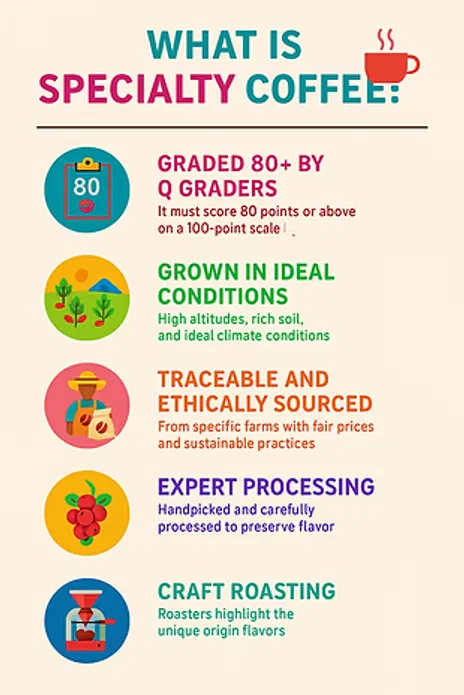
You might think that once you add ice or milk, the quality of the bean doesn't matter as much. Think again! Because we are SCA Certified (with diplomas in Roasting and Coffee Trade), we ensure that every bean we source is graded 80+ by Q Graders.
When you use high-quality, ethically sourced beans, you’re getting a cleaner energy boost without the "burnt" or "ashy" flavors found in mass-produced coffee. Whether you're brewing hot or cold, the mucilage (the honey-like fruit of the coffee cherry) should leave a natural sweetness on your palate.
Ready to Beat the Heat?
Whether you’re a "set it and forget it" cold brew fan or a "flash brew" enthusiast, the most important thing is that you're enjoying a cup that makes you happy.
If you're ready to master your summer routine, we’ve got even more tips in our Cold Brew Mastery for Florida Summers blog post.
Want to keep the good beans coming all summer? Join the small beanz coffee co. community! Our Loyalty Program lets you earn rewards with every bag, and our subscription service ensures you never run out of fresh beans just when the humidity hits its peak.
Shop the June lineup and find your perfect summer bean at www.smallbeanzcoffeeco.com.
Brew with confidence, Tampa! ☕🧊

Comments